Gold is a special thing in Indian homes. It is not something people buy to look good or to invest in. It also has a lot of emotional value. Gold is a part of Indian culture and is used in many special occasions like weddings and festivals. It is also used to pass down from one generation to the next and to plan for the future. Because gold is so important one thing is very crucial when buying it: making sure it is pure.
This is where hallmarking comes in. Hallmarking is like a guarantee that the gold or precious metal you are buying’s really what the seller says it is. In a market where you need to trust the person you are buying from hallmarking gives you confidence that you are paying the price for the right thing. Whether you are buying jewellery for the time or you are someone who invests in gold regularly understanding hallmarking can help you make better decisions.
What is Hallmarking?
Hallmarking is a process that checks the purity of metals like gold and silver. In India this process is controlled by the Bureau of Indian Standards also known as BIS. When a piece of jewellery is hallmarked it means it has been tested by a centre that BIS has approved and it meets the standards for purity.
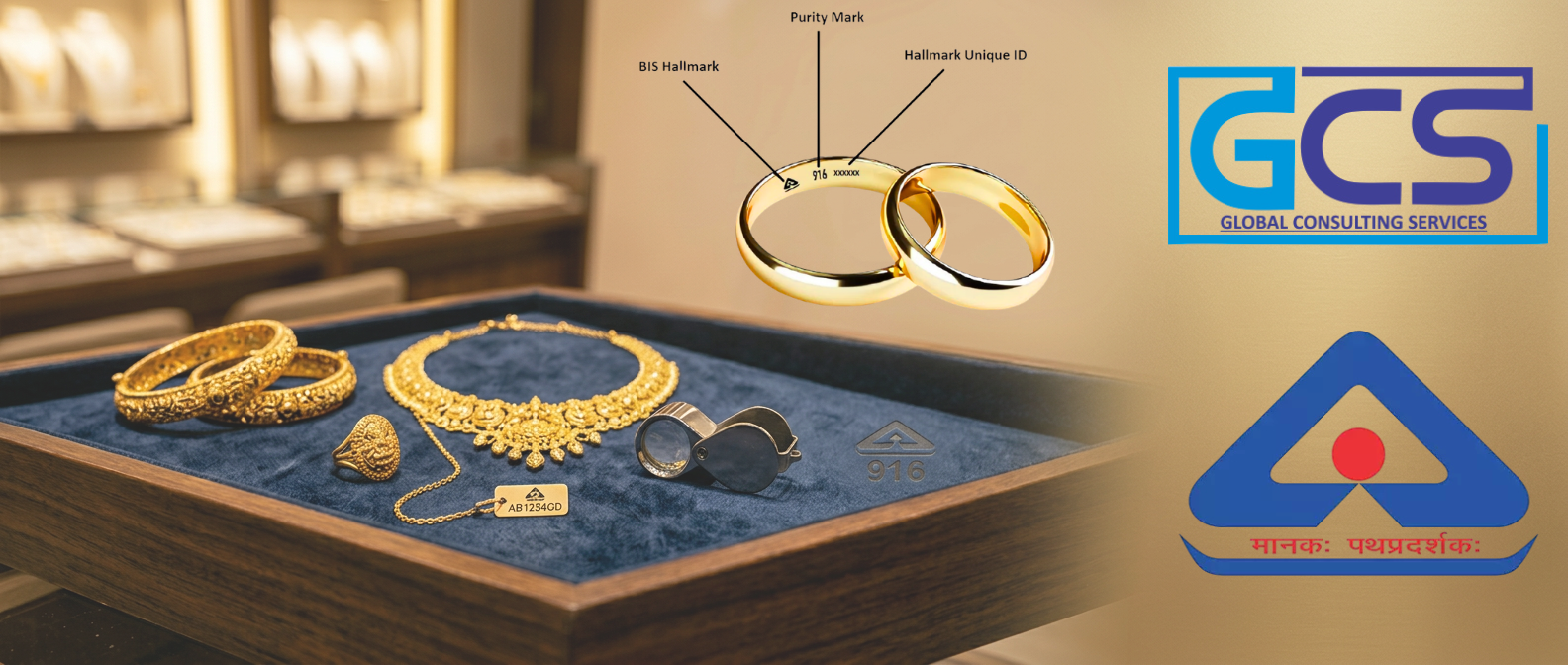
A hallmarked jewellery item usually has the following marks:
- The BIS logo.
- A mark that shows the purity, like 22K916, 18K750 or 14K585.
- A mark that shows which centre did the testing.
- A mark that shows who the jeweller is.
- A number called HUID, which stands for Hallmark Unique Identification.
These marks are like a guarantee that the jewellery you are buying’s genuine.
Why Hallmarking is Important
One of the reasons hallmarking is important is that it ensures the gold is pure. When a jeweller says a chain is made of 22 karat gold the hallmark makes sure that the product really does contain an amount of pure gold. Without this guarantee you have to take the sellers word for it.
The relevant Indian Standard numbers should also be clearly mentioned. The Indian Standard for gold hallmarking is IS 1417:2016, which originally specified 14 carat, 18 carat, and 22 carat grades and was later amended to include 20 carat, 23 carat, and 24 carat as additional grades, while the Indian Standard for silver hallmarking is IS 2112:2014, which specifies six grades of silver alloys: 990, 970, 925, 900, 835, and 800.
Consumer Protection and Market Trust
Hallmarking also protects you from fraud. Sometimes the jewellery market can be risky with problems like gold, lower purity than promised unfair prices and dishonest selling practices. Hallmarking reduces the chance of you being cheated.
Hallmarking also builds trust between the jeweller and the customer. It makes the buying process more transparent because the purity standard is checked independently. This trust helps jewellers build relationships with their customers and makes their brand more reputable.
Another benefit of gold is that it usually gets a better price when you sell it or exchange it. Since the purity is guaranteed buyers and jewellers are more willing to accept it without arguing. Even financial institutions and gold loan providers prefer hallmarked jewellery because it gives them confidence in its purity.
This means hallmarking is not just useful when you buy gold. Also when you decide to sell, exchange or use it as collateral in the future.
In India hallmarking of gold jewellery has been made mandatory for types of products with some exceptions. This was done to protect consumers and to make sure the quality is the same across the industry.
For jewellers following the BIS hallmarking rules is not optional in cases. Selling products that do not meet these standards can lead to penalties, legal problems and a loss of credibility. For consumers this legal framework offers protection.
Hallmarking also creates standards across the jewellery industry. India is one of the consumers of gold in the world. With such a market it is essential to have standards. Hallmarking ensures that the quality is the same whether you buy gold in Delhi, Mumbai, Chennai or Jaipur.
Understanding Purity Marks
To buy jewellery wisely it helps to understand the common purity marks:
- 24K or 999: This is almost pure gold usually used for coins and bars.
- 22K or 916: This is commonly used in jewellery.
- 18K or 750: This is widely used in diamond and designer jewellery.
- 14K or 585: This is more durable and often used in jewellery.
These marks allow you to compare products and choose jewellery based on your budget, design preference and purpose.
The Hallmarking Process
Many people see the stamp but do not know what happens behind it. The hallmarking process usually includes the following steps:
- The jeweller sends the jewellery to a centre that BIS has approved.
- The purity of the metal is tested using methods.
- If the product meets the required standard the hallmark is applied.
- The item gets a HUID code that can be used to trace it.
This process ensures that only high-quality jewellery reaches the customer.
The Role of HUID in Modern Hallmarking
One improvement in Indias hallmarking system is the introduction of the HUID system. HUID stands for Hallmark Unique Identification. It is a code assigned to each hallmarked jewellery item.
The HUID system makes things more transparent by making every piece traceable. It helps consumers verify jewellery effectively and discourages tampering or misuse. This is a step towards a more secure and accountable gold market in India.
Benefits for Consumers and Businesses
Hallmarking is beneficial not just for buyers but also for jewellers and businesses.
For consumers hallmarking offers:
- Confidence in purity.
- Fair prices.
- Better resale value.
- Protection from fraud.
- Greater peace of mind.
For jewellers hallmarking provides:
- customer trust.
- Better market credibility.
- Compliance with government regulations.
- Improved business reputation.
In todays market trust is one of the strongest business assets and hallmarking supports that trust.
If you are a business owner, jeweller, startup or entrepreneur looking to understand compliance and regulatory processes you can use your website to provide guidance and support. You can educate visitors about topics like hallmarking, certification requirements, quality assurance and industry regulations. This not builds your authority in the niche but also helps customers and businesses make more informed decisions.
Conclusion
Hallmarking is more than a stamp on a jewellery piece. It is a mark of trust, purity, transparency and legal assurance. In a country like India, where gold carries cultural and financial importance buying hallmarked gold is one of the smartest decisions a consumer can make.
Whether you are buying jewellery for a wedding investing in gold for the future or running a jewellery business hallmarking protects your interest. Strengthens confidence in the transaction. As awareness grows and systems like HUID continue to improve hallmarking will remain one of the important pillars of trust in the precious metals industry.
Before buying any gold jewellery always remember one rule: check, for the BIS hallmark and verify the purity details carefully. A small check today can protect an investment tomorrow.
IS Numbers
- Gold Hallmarking Standard: IS 1417:2016
- Silver Hallmarking Standard: IS 2112:2014