
FCC Certification Services
- BIS CRS Certification
- BIS ISI Certification
- BIS Scheme X
- BIS Certificate of Conformity (Scheme IV)
- Hallmark Certification Services in India
- BIS Certification for Toys
- PESO Certification
- CE Certification
- Drone Certification
- TEC Registration
- WPC Registration
- BEE Registration
- CDSCO Registration
- FSSAI Registration
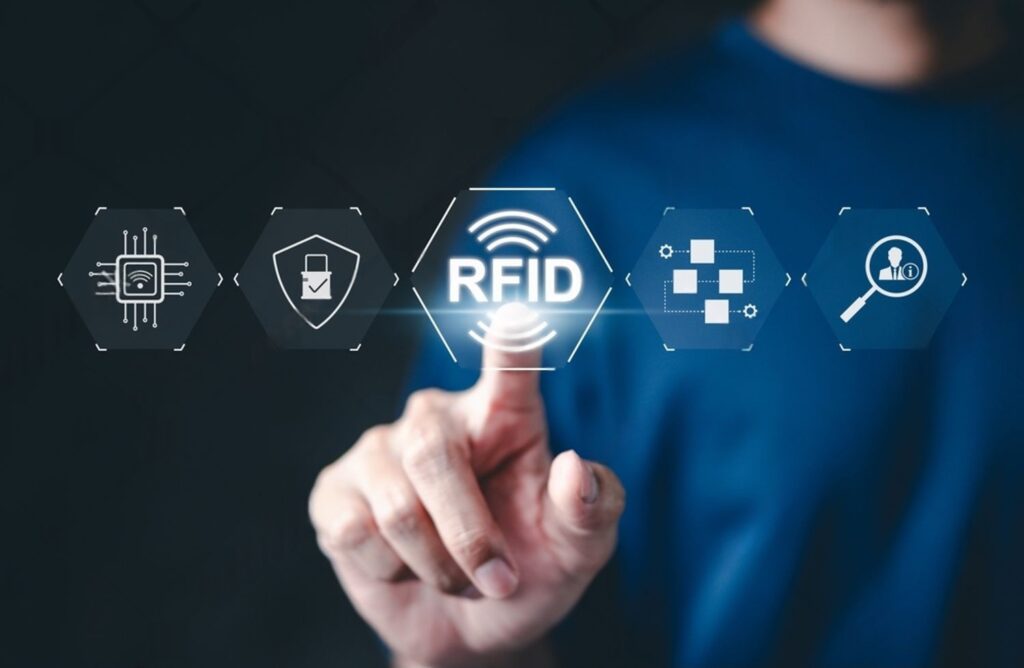
The Federal Communications Commission (FCC) is the regulatory authority responsible for managing and supervising all telecommunications and radio frequency usage within the United States. Established under the Communications Act of 1934 and expanded by the Telecommunications Act of 1996, the FCC regulates a vast spectrum of wireless and electronic systems — including mobile phones, radio transmitters, smart home devices, Bluetooth equipment, Wi-Fi modules, digital cameras, and other RF-enabled products.
Any device that transmits or emits radio frequency (RF) energy must comply with FCC rules before it can be imported, marketed, or sold in the U.S. market. FCC Certification confirms that a product has been tested, assessed, and found compliant with recognized RF emission standards—ensuring consumer safety, minimizing interference, and protecting other communication networks.
Why is FCC Certification Necessary?
Types of FCC Certification
Class A FCC Rating
• Intended Use: Commercial/industrial environments such as offices and enterprise facilities • Compliance Level: Moderate; suitable for equipment typically found in office infrastructure
Class B FCC Rating
• Intended Use: Residential environments • Compliance Level: Stricter — minimizes electromagnetic interference within homes and consumer installations
Class B is more rigorous than Class A due to possible interference with domestic communication systems. Products carrying valid FCC ratings demonstrate higher credibility, market readiness, and consumer trust.
Further Device Classification for FCC Compliance
FCC categorizes products based on whether they intentionally emit RF energy or not.
Intentional Radiators
Devices that intentionally generate radio frequency signals for communication. Examples: Mobile phones, Wi-Fi routers, Bluetooth devices, RF sensors, RF heating systems
Unintentional Radiators
Products that create RF emissions incidentally as part of their operation. Examples: Computers, IC-based electronic systems, digital circuits, cameras, switching devices, power converters
FCC Certification Process for Manufacturers in India
Step 1. Document Collection
Step 2. Application Filing
Step 3. Technical Review & Assessment
Step 4. Post-Approval Compliance Support
Step 5. Approval & Certificate Issuance
Step 6. Testing & Verification
Document Collection
Application Filing
Technical Review & Assessment
Post-Approval Compliance Support
Approval & Certificate Issuance
Testing & Verification
FCC Certification Documentation Requirements
- Identity Proof (PAN Copy for Indian applicants)
- Passport-size Photograph
- Voter ID or Government-issued Identity
- Sales/Purchase Registers or Bills
- Product Material List
- Manufacturing Policy/Process Document
- Product Test Reports
Proper documentation ensures compliance, avoids rejection, and accelerates approval.
Declaration of Conformity & CE Marking
Legal Market Entry
FCC Certification is mandatory for RF-based and electronic products entering the U.S. Without it, customs clearance, distribution, and sale are prohibited.
Increased Market Trust
Certified products are perceived as safe, compliant, and reliable, encouraging widespread acceptance and positive brand positioning
Risk Reduction
The FCC mark confirms testing for emission safety, reducing: • interference risks • operational hazards • recall exposure • regulatory penalties
Competitive Advantage
FCC-approved products gain preferable market access and consumer confidence — offering clear differentiation over non-certified alternatives.

Global Consulting Services for FCC Certification?
- End-to-End Compliance Support
- Technical Expertise
- Testing Coordination
- Documentation & Filing Support
- Fast Turnaround
- Trusted Advisory
Our expertise in compliance, strong industry network, and hands-on knowledge help manufacturers and importers achieve faster licensing and hassle-free execution.
We ensure your products meet all safety standards so you can enter the market confidently.
📩 For BIS CRS assistance, contact us today — our team will guide you through the latest regulations, updates, and requirements.
Ready for the U.S. Market? Apply for FCC Certification Today

Frequently Asked Questions (FAQs) – BIS Registration / BIS Certification
FCC Certification is a U.S. mandatory compliance marking that ensures electronic products meet emission and safety standards.
Yes, RF-emitting and electronic devices must carry FCC approval before sale or distribution in the U.S.
Follow the documented process—testing, filing, audit review, and certification issuance. GCS provides full assistance.
Nearly all RF-enabled or EMI-producing products entering U.S. commerce require FCC approval.
A procedure used to evaluate electromagnetic emissions to ensure they meet regulated limits.
Costs vary based on product category, testing scope, and certification pathway.
Contact GCS for an accurate quotation.
Federal Communications Commission, the U.S. authority overseeing communication and RF compliance.
It is the formal certification mark confirming a product meets all applicable FCC rules.