
BIS Certification for Toys in India
- BIS CRS Certification
- BIS ISI Certification
- BIS Scheme X
- BIS Certificate of Conformity (Scheme IV)
- Hallmark Certification Services in India
- BIS Certification for Toys
- PESO Certification
- CE Certification
- Drone Certification
- TEC Registration
- WPC Registration
- BEE Registration
- CDSCO Registration
- FSSAI Registration
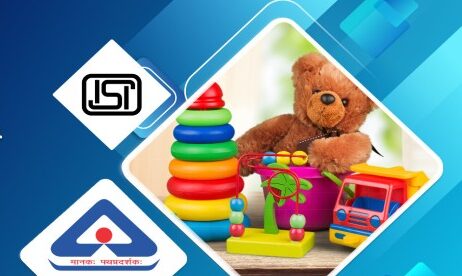
Toys are meant to inspire creativity and development — but only when they are safe. To eliminate the risk of unsafe or hazardous toys entering the Indian market, the Government of India has made BIS certification mandatory for all toys meant for children below 14 years, whether manufactured locally or imported.
Under the Toys (Quality Control) Order, 2020, every toy — electric or non-electric — must comply with the applicable Indian Standards and bear the ISI Mark. Products failing to meet these requirements cannot be legally sold in India.
Global Consulting Services helps manufacturers and importers navigate BIS compliance efficiently, ensuring complete safety, legal confidence, and market readiness.
Why is BIS Certification Essential for Toys?
BIS certification ensures:
• Zero toxic or hazardous components
• Compliance with international-grade safety testing
• Protection from mechanical/physical hazards • Electrical safety and material safety
• Structured, regulated toy manufacturing
Non-compliance can lead to criminal liability, fines, and product seizure, making BIS certification not just important but mandatory.
Standards Applicable for Toy Certification
Primary Standard
Non-Electric Toys IS 9873 (Part 1):2019 Electric Toys IS 15644:2006
Secondary Standards
Non-Electric Toys IS 9873 Parts 2, 3, 4, 7, 9 Electric Toys IS 15644:2006 IS 9873 Parts 1, 2, 3, 4, 7, 9
Any new additions to this list are published periodically by MeitY and BIS to ensure continued consumer protection.
Essential Requirements for BIS Certification of Toys
• Compliance with respective primary and secondary standards • In-house testing facilities for mandatory SIT (Scheme of Inspection & Testing) parameters • Proper quality control measures • Separate applications for different types of toys • Separate licenses for each manufacturing location Marketing or distribution units cannot apply for BIS certification — only manufacturers can.
BIS Certification Process for Toys in India
Step 1. Submission of Application
Step 2. Scrutiny by BIS
Step 3. Nomination of Auditor
Step 4. Grant of License
Step 5. Laboratory Testing
Step 6. Factory Audit
Submission of Application
Scrutiny by BIS
Nomination of Auditor
Grant of License
Laboratory Testing
Factory Audit
Documents Required for Toy Certification
- Factory registration documents
- Identity proof of applicant
- Manufacturing process flow chart
- Details of authorized signatory
- In-house testing facility details
- QC parameters and records
- Previous testing reports (if available)
- Additional documents as specified by BIS

Cost of BIS Certification for Toys
Why choose Global Consulting Services?
- Pre-assessment & documentation
- Sample preparation and lab coordination
- Testing follow-ups
- Portal filing & response to BIS queries
- Licence grant assistance
Our expertise in compliance, strong industry network, and hands-on knowledge help manufacturers and importers achieve faster licensing and hassle-free execution.
We ensure your products meet all safety standards so you can enter the market confidently.
📩 For BIS Certification for Toys assistance, contact us today — our team will guide you through the latest regulations, updates, and requirements.
Get your toys BIS certified with expert guidance.... Contact Global Consulting Services today!

Frequently Asked Questions (FAQs) – BIS Registration / BIS Certification
Yes, all toys for children under 14 must comply with Indian Standards and bear the ISI mark.
Through application submission, factory audit, sample testing, and license approval under BIS Scheme-I.
Only manufacturers — whether Indian or foreign.
Yes, each category requires a separate application.
No. Selling non-certified toys is prohibited.
Factory details, QC records, testing facility documents, authorized signatory details, etc
Yes, but only if you are the manufacturer or own the overseas factory.